When Is the Best Time to Visit Budapest: Winter Baths, Summer or Advent?
5 min read

For most people, May, June, September and early October offer the easiest balance: enough daylight for the river and Castle Hill without making every indoor stop feel like an escape from heat or cold. Choose winter specifically for steaming outdoor thermal pools; choose July or August for late evenings; choose Advent for lights and atmosphere, not for quiet streets. Whatever the month, the City Highlights Sightseeing Cruise is a useful first-hour orientation: €13, one hour, 4.6 stars from 47,060 reviews. This seasonal recommendation is based on HungaroMet’s Budapest climate normals, not a forecast for your travel dates.
Winter: Budapest at its most theatrical
Cold air above a hot outdoor pool is the winter image that Budapest genuinely delivers. The trade-off is practical: wet paths, changing rooms and the walk home feel less romantic than the steam. A bath day works best when you allow time rather than squeezing it between two outdoor sights. Compare the ticket choices in our Széchenyi Baths guide. For a leisure visit to Széchenyi, guests must be at least 14. Bring slippers and a towel; check current opening hours and maintenance notices. On 8 December 2026 the bath closes at 4 pm; pool areas close 20 minutes before the bath.
December adds decorated streets and seasonal events, but Advent is not a low-demand secret. Central accommodation and popular evening activities can fill, and daylight is limited. Pack the day around one outdoor district, one warm indoor stop and an evening view rather than crossing Buda and Pest repeatedly.
Spring: the flexible city-break choice
Spring suits travellers who want to walk the Castle District, riverbank and Jewish Quarter in the same day. Early spring can still be brisk and changeable; later spring is better for terraces and an evening cruise. It is also a forgiving time for a first visit because your itinerary does not depend on either pool weather or Christmas programming.
This is the season to leave gaps. If rain arrives, move a bath, museum or market hall into that slot. If the sky clears, use it for the Buda viewpoints. That flexibility matters more than trying to identify one supposedly perfect week.
Summer: long evenings and heat
Summer gives you the most time outdoors and makes late river views easy. It also exposes weak plans: midday pavement and crowded trams can be tiring. Start walking early, reserve the hottest part of the day for lunch or an indoor attraction, and return to the Danube later.
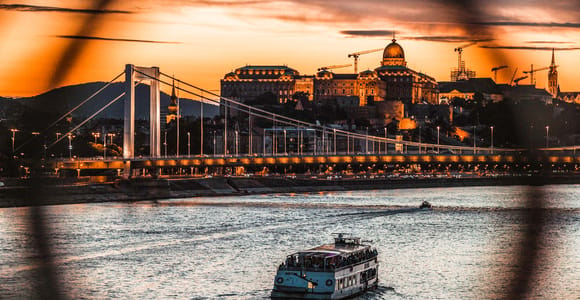
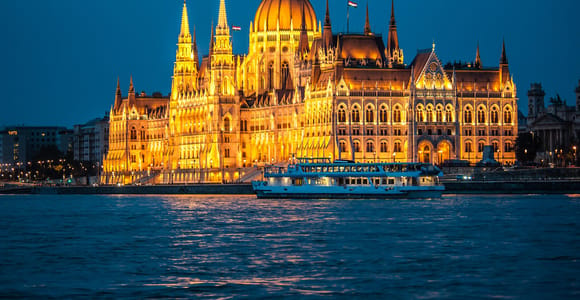
The one-hour sightseeing cruise passes the bridges, Buda Castle and Várkert Bazár and includes a welcome drink. It is short enough to fit before dinner and cheap enough that you do not need to turn it into the day’s main event. Do not book it as your dinner or your party night: a one-hour sightseeing trip with a welcome drink is neither. There is no guide or audio commentary. The welcome drink can be alcoholic or non-alcoholic; extra food and drinks cost more, and you cannot bring your own. The booking excludes wheelchair users and unaccompanied minors. Arrive at least 15 minutes early at the departure point on your voucher. Water levels can affect operations, and the operator does not control the buildings’ illumination.
Check times and prices for the City Highlights Sightseeing Cruise
Autumn: good walking, then earlier evenings
September keeps much of summer’s outdoor rhythm with a calmer feel. As autumn advances, build the day around shorter light and make the thermal baths part of the plan rather than a weather rescue. A river cruise near dusk can link sightseeing to dinner without committing to an expensive dinner boat.
Rain does not ruin Budapest, but it changes which neighbourhood makes sense. Castle Hill’s slopes and cobbles demand more attention when wet; Pest’s cafés, markets and museums are easier to combine in poor weather. Keep the Buda Castle tour comparison for a dry window.
Match the month to your reason for going
Book winter if the contrast of cold air and thermal water is the point. Book midsummer if outdoor evenings outweigh your dislike of heat and crowds. Pick Advent only if seasonal atmosphere justifies busier central streets. For a first trip centred on walking, baths and the river, late spring or early autumn is the safer answer.
Start that visit with the City Highlights Sightseeing Cruise: it gives the clearest one-hour view of how Buda, Pest and the Danube fit together.